Apple’s TikTok Experiment Is A Lesson In Brand Flexibility

Apple is not a brand usually associated with chaotic social media activity. Its marketing has long been built on control, combining clean visuals, simple copy and futuristic product design. That is why its recent TikTok activity promoting the MacBook Neo feels notable.


An unexpected shift in tone

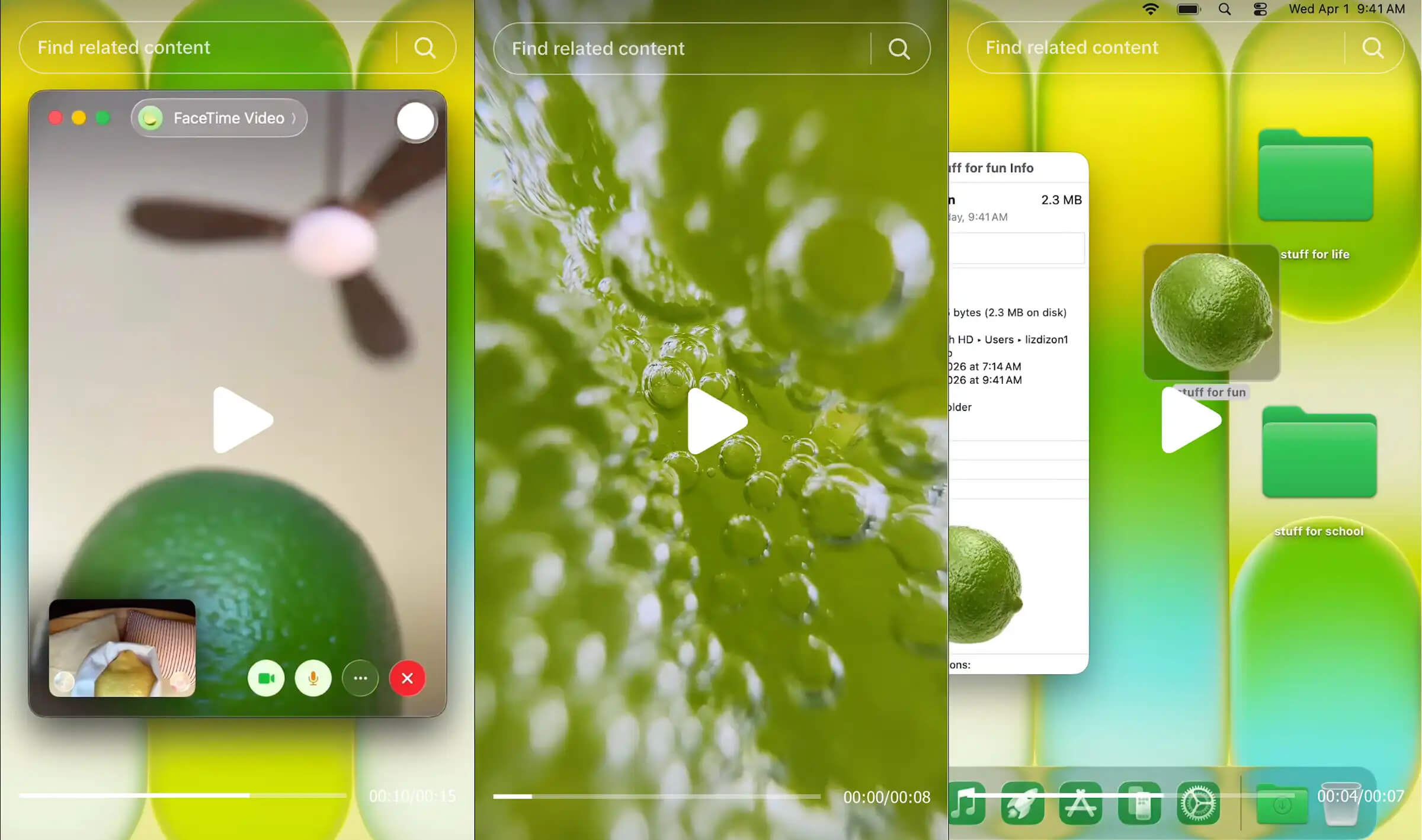
On the surface the videos are strange. Limes are FaceTiming lemons, Finder icons blush and the overall tone feels far removed from Apple’s usual carefully managed style. But the real story is not the surreal humour, it's why Apple is doing it at all. Much of the coverage has framed the campaign as a departure from Apple’s usual tone because the creative feels more meme-driven and native to TikTok than its traditional product marketing.


 

Apple


A product aimed at a different audience

Part of the answer lies in the product itself. According to Reuters, the MacBook Neo starts at $599, positioning it as a more accessible option aimed at younger and more price-conscious buyers, including students. That changes the role of the marketing. With premium products Apple can rely on polish, aspiration and brand prestige. With the Neo the challenge is broader, it's not only about maintaining Apple’s aspirational image but also about expanding its relevance to audiences who may previously have been priced out of its ecosystem.


Apple


Why TikTok makes sense

TikTok plays an important role in that shift. The platform rewards content that feels native rather than overly polished. TikTok’s own creative guidance suggests ads perform better when they reflect the style, humour and pacing of the feed. In practice this means content that feels more creator-led, informal and culturally aware. In that context Apple’s campaign looks less like a creative detour and more like a strategic decision to meet its audience where they are.


Rethinking brand consistency

What makes the campaign interesting is how it redefines brand consistency. Apple has not abandoned its brand control but has reconsidered how that control operates across platforms. For years marketers treated consistency as sounding the same everywhere, with identical tone and creative across channels, that approach is becoming less effective. Today brands often need to adapt how their identity is expressed depending on the platform, the audience and the role the content plays.


The core brand remains recognisably Apple. The difference is that it feels translated into TikTok’s language rather than forcing its traditional voice into a platform with very different expectations. The campaign’s strange tone works because it feels intentional and platform-aware.


Apple


Attention versus memorability

The broader lesson for marketers relates to how product marketing is evolving. Increasingly the goal is not immediate persuasion but earning the right to be remembered. Attention alone is easy to achieve, any brand can attract views by doing something chaotic. The real challenge is earning attention that builds familiarity, keeps the brand top of mind and makes it feel relevant when purchase intent appears.


The advantage of strong brand foundations

Apple can experiment in this way partly because its brand foundations are so strong. A few unconventional TikToks will not undermine decades of brand equity. If anything the campaign has extended the conversation around Apple’s announcements and kept attention on the product long after the launch event.


The takeaway for marketers

That is why this campaign matters. It does not mean every brand should start posting surreal TikToks and calling it strategy. Some products still benefit from a highly curated and prestigious brand presence. Others require faster and more culturally aligned ways of connecting with audiences.


To a casual viewer Apple’s TikTok experiment may look nonsensical, for marketers it highlights something more important. Modern brands do not need to sound identical everywhere. The real skill lies in knowing when consistency matters and when cultural relevance matters more.


By Steven Franklin

Darcy Lloyd on March 13th, 2026